Bachelor's (UG)
55%-60%+ in 12th Grade
IELTS 5.5 / TOEFL 71-80+
Master's (PG)
Bachelor's degree (good grades)
IELTS 5.5 | TOEFL 71-80+
Language Flexibility
English test scores may be waived.
IELTS 7+ at certain business schools.
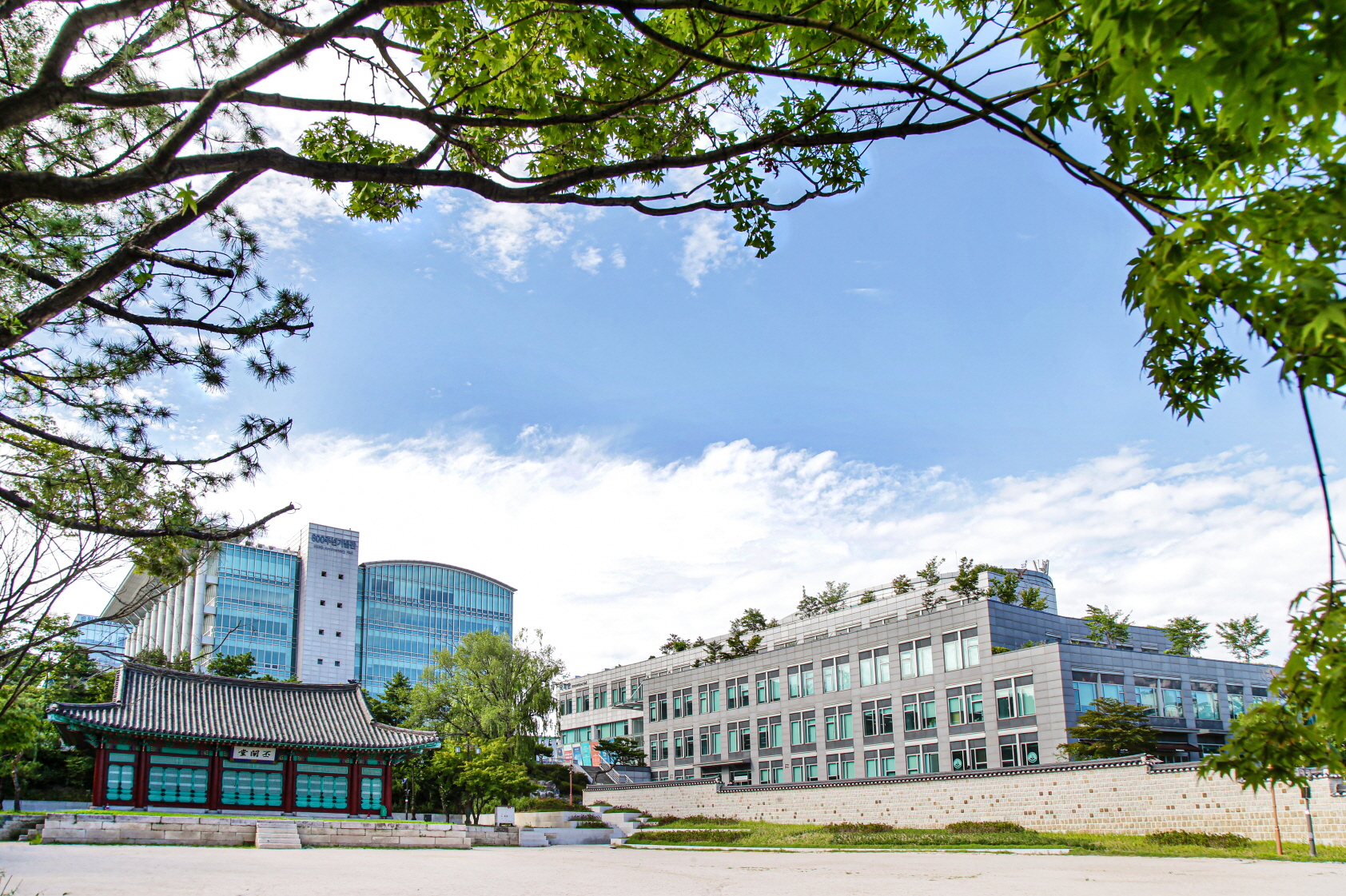
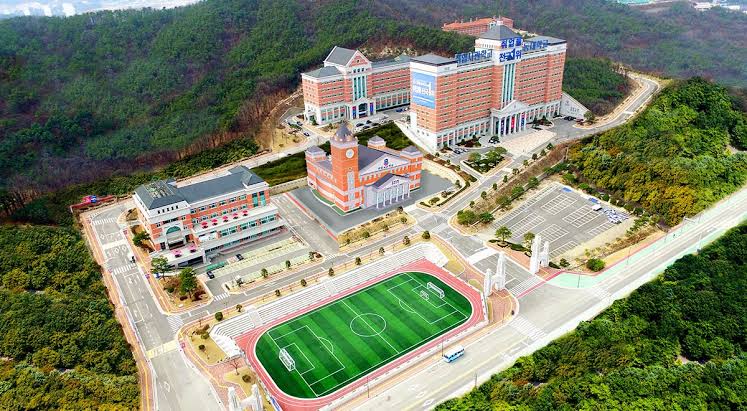
Top Universities
in South Korea
Trusted by Nigerian students
with proven success rates.
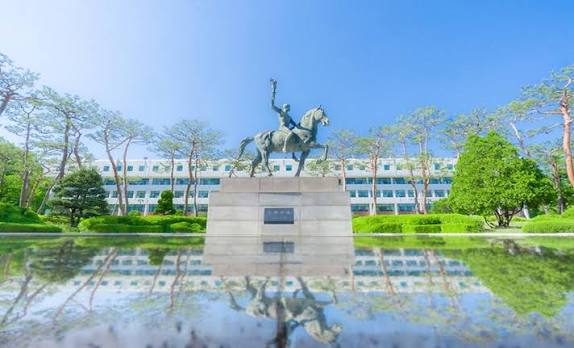
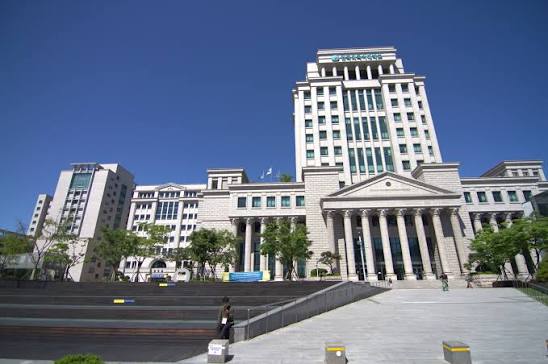
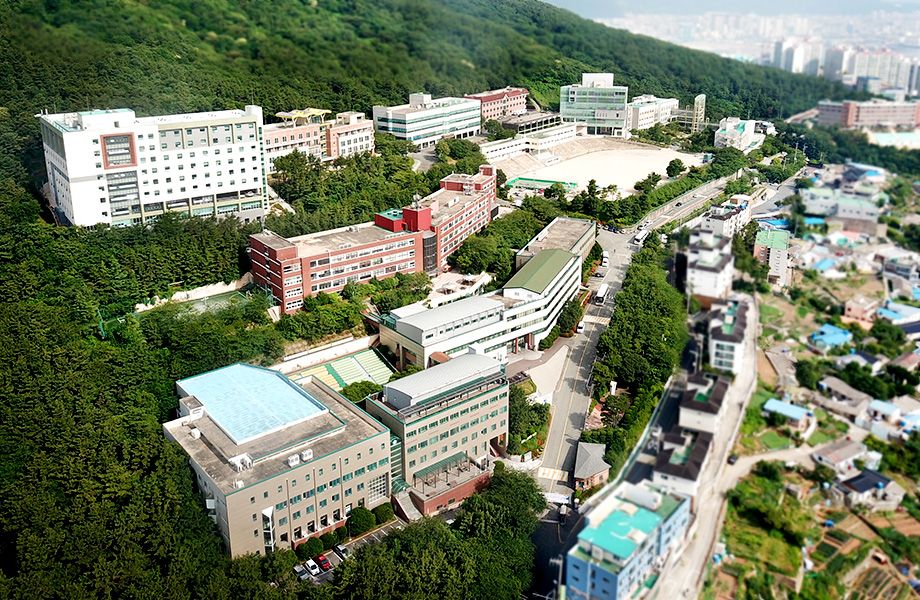
Language Pathway Programs
(EAP & KAP)
A Smart Pathway for International Students
to Study in South Korea - Without IELTS
breakdown
- Bridge program that prepares students for degree studies in South Korea
- Improves academic language, communication, and classroom confidence
- Helps students adapt to the Korean education system and culture
Examples: Best for students with no/low IELTS or TOPIK scores
PEAP / KAP
- IELTS Not Require
- Easier Entry
- D-4 → D-2 Visa
- +6 - 24 months Extra Duration
Examples: Best For No/Low IELTS
Direct
- IELTS Required
- Entry is quite Difficulty
- D-2 Direct Visa
- No Extra Duration
Examples: Best for IELTS 5.5+
EAP (English for Academic Purposes) and KAP (Korean for Academic Purposes) are structured language pathway programs designed to prepare international students for studying in South Korea. These programs focus on buildingacademic language skills, improving communication, and helping students adapt to the university environmentbefore entering undergraduate or graduate degree programs. Students develop reading, writing, listening, speaking, and cultural understanding required to succeed in academic and daily life in Korea. Builds IELTS (EAP) or TOPIK (KAP) readiness for university admission.
Provides step by step academic and language preparation before degree entry. Increases admission success and visa readiness. Creates a clear pathway to undergraduate and master's programs
2026-2027 Intakes
in South Korea
When to apply
South Korean universities offer two primary intakes annually. A limited summer intake is available at select institutions.
Autumn Intake
September
2026
Applications for this session have officially closed for international students.
Closed→Winter Intake
March
2027
The primary intake available at many universities. Ideal for all students.
Apply Now→Autumn / Fall Intake
September
2027
Planning ahead? Start building your profile now — early applicants have the best access to scholarships and preferred universities.
Start Preparing→Note: Application deadlines vary by university and programme. Sojilearn recommends applying 3–6 months before your target intake to secure your preferred university and maximise scholarship opportunities.
Why Study in South Korea?
South Korea has established itself as one of Asia's premier study destinations, combining world-class education with cutting-edge technology, innovation, and a vibrant cultural experience. Located in East Asia on the southern part of the Korean Peninsula, South Korea is renowned for its rapid economic growth and is home to globally recognised brands such as Samsung, Hyundai, LG, and SK Group. Its QS-ranked universities are internationally respected for academic excellence, research, and innovation, offering students a future-focused education across disciplines such as Engineering, Artificial Intelligence, Business, Information Technology, Health Sciences, and Design. A growing number of undergraduate and postgraduate programmes are also taught entirely in English, making South Korea increasingly accessible to international students.
Studying in South Korea offers excellent value for money, with tuition fees and living costs generally lower than many Western study destinations. International students can work up to 30 hours per week during the academic semester and full-time during scheduled breaks (subject to approval), allowing them to gain valuable work experience while helping to offset their living expenses. High-performing students may also qualify for scholarships covering up to 100% of their tuition fees based on academic achievement and language proficiency.
As one of the world's leading technology and innovation hubs, South Korea provides students with outstanding opportunities to gain practical experience through modern laboratories, research projects, internships, and close collaboration with industry. After graduation, international students may remain in the country for up to three years on the D-10 Job Seeker Visa to secure employment and transition to a work visa. Those who continue living and working legally in South Korea may also become eligible for permanent residency after meeting the relevant residency requirements, making the country an attractive destination for long-term career growth.
Beyond academics, South Korea offers an exceptional quality of life with world-class infrastructure, efficient public transportation, advanced digital connectivity, and one of the safest living environments in Asia. The country's rich cultural heritage, together with its global influence through K-pop, Korean dramas, films, and entertainment, creates a unique and exciting international student experience. Depending on visa eligibility, students may also be able to apply for their spouse and dependants to join them after six months of study, making South Korea an excellent choice for individuals and families seeking a world-class education with outstanding career opportunities.
About South Korea

Capital

Population

Language
Coastline

GDP

Dialing Code

Currency

International Students
Visa Checklist for South Korea
Once the student receives the Certificate of Admission (CoA) from the international office of a South Korean university, it confirms admission into a degree program and is mandatory for applying for the D-2 Student Visa. The university guides the student for the visa appointment and next steps.

Certificate of Admission (CoA)

Visa Application Form

Passport Size Photograph
Financial Proof

Health Certificate
University Business Registration Certificate

Invitation Letter (if applicable)

Visa Fee Approx. USD 60-80
National ID Proof
Passport
Post Admission Experience
Cost Of Living in South Korea
LowHigh
Monthly Living Expenses in South Korea

Accommodation (shared)
$ 100 - $ 200

Food & Groceries
$ 100 - $ 200

Transportation
$ 30 - $ 60

Miscellaneous
$ 70 - $ 170
Part time Careers and Work Opportunities in South Korea
Studying in South Korea offers a variety of experiences. The cultural and traditional values of South Korea attract several international students every year. The popular areas of employment in South Korea are as follows:

IT & Software Development

Digital Marketing & Communication

Hospitality & Tourism

International Relations

Data Science & AI

Technology & Innovation
Post Study Work VISA
Graduates can stay for upto 3 year on a D-10 Job Seeker Visa to find employment and transition to a work visa..
Part-time Work Opportunities
Students can work up to 30 hrs/week, earning approx. $ 1,300-$ 1,800 /month depending on role and city.
Frequently Asked Questions